
Pets often show the disruption from evil eye (concentrated envy that disturbs the recipient's energy field) days or weeks before the humans in the household register it. Sudden behavior changes, refusal to enter certain rooms, unexplained illness with clean veterinary results — these are the diagnostic signals worth taking seriously when no medical cause is found.
Across cases where the household's protective field had weakened — a new neighbor's persistent envy, a recent visitor with an unspoken grudge, an online attack from someone who saw a picture — the family pet was consistently the first member to show stress. The cat stopped sleeping in its usual spot. The dog began avoiding a specific corner of the living room. A previously healthy bird stopped vocalizing. Owners came in describing the human symptoms — bad luck, broken sleep, friction at work — and almost as an aside mentioned the animal had been "off" for weeks. The animal had been on it first.
Why animals register the shift before humans do
Animals operate without the verbal cognitive layer that filters human perception. They do not rationalize, narrate, or explain away. They read the environment directly through the sensory channels and through what every consistent tradition has called the life force (the vital energy flowing through a body and its surroundings; when disrupted, function and behavior shift in patterned ways).
A human walking into a room where the field has been disturbed will often dismiss the unease as mood, weather, or a missed meal. The animal does not have that filter. It moves away from the disturbance, freezes in place, or shows physical stress — vomiting, tremor, sudden lethargy — without performing the cognitive bypass. This is why an animal's reaction is a cleaner diagnostic signal than an adult human's verbal report of "feeling off."
The mechanism is not mystical. It is the same mechanism by which a working dog detects a seizure before the human owner does or a horse refuses to walk past a specific section of road no one has ever told it about. The animal's nervous system reads the field. The animal's behavior is the readout.
That clean readout is what we are reading when a household pet's behavior changes for no medical reason.
The behavioral signs that are worth taking seriously
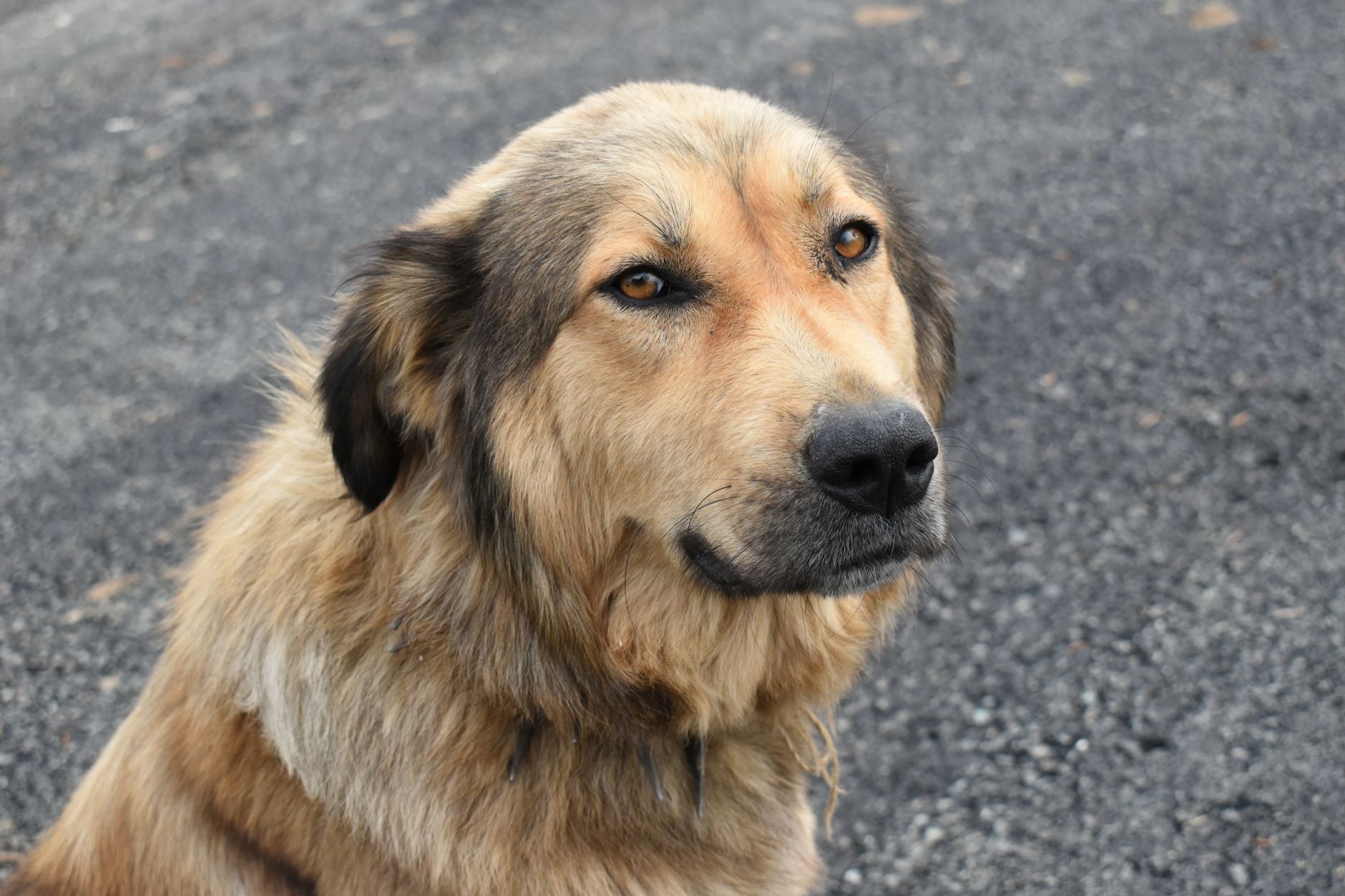
The signs are not random. Across cases the pattern repeats:
- Sudden refusal to enter a specific room or area the animal previously used without hesitation, especially a room recently visited by an outsider or where envy was triggered (an unboxing of a gift, a video call, a heated discussion about money).
- Persistent avoidance of one specific person in the household who, until recently, was a normal part of the animal's bonded circle.
- Unexplained vomiting, diarrhea, or appetite collapse that the veterinarian cannot explain and that does not respond to standard treatment.
- Restlessness at the same time each night — typically late evening through the early-morning hours when the energetic disruption to the household peaks.
- Excessive vocalization — meowing or whining directed at empty corners, doorways, or specific objects.
- Sudden aggression or fear directed at a normal stimulus the animal had handled calmly for years.
- Lethargy combined with hiding behavior — the animal disappears under the bed or behind furniture and stays there for hours longer than its baseline.
One sign alone is rarely a diagnostic. The pattern is two or more of these signs appearing together, persisting for more than a week, and not resolving with the usual medical or behavioral interventions.
The medical-first rule that protects the animal
Spiritual interpretation never replaces veterinary care. Any persistent change in a pet's behavior, appetite, sleep, or movement starts with a veterinary visit. A urinary infection in a cat looks identical to behavioral protest. Pain in a dog looks identical to fear. A bird that stops vocalizing may be hiding illness for evolutionary reasons.
The spiritual reading is appropriate only after a clean medical workup has ruled out organic cause and the symptoms persist or recur. If the vet finds nothing, treatment fails, and the symptoms continue alongside other household-level disturbances (broken sleep among humans, sudden friction at work, things going wrong without an obvious chain of cause), the spiritual reading enters the differential. Not before.
This sequence — medical first, spiritual second — is the rule the household holds even in the most obvious-seeming cases. The animal deserves both layers of care, in the right order.
What the household does once the diagnostic is clear
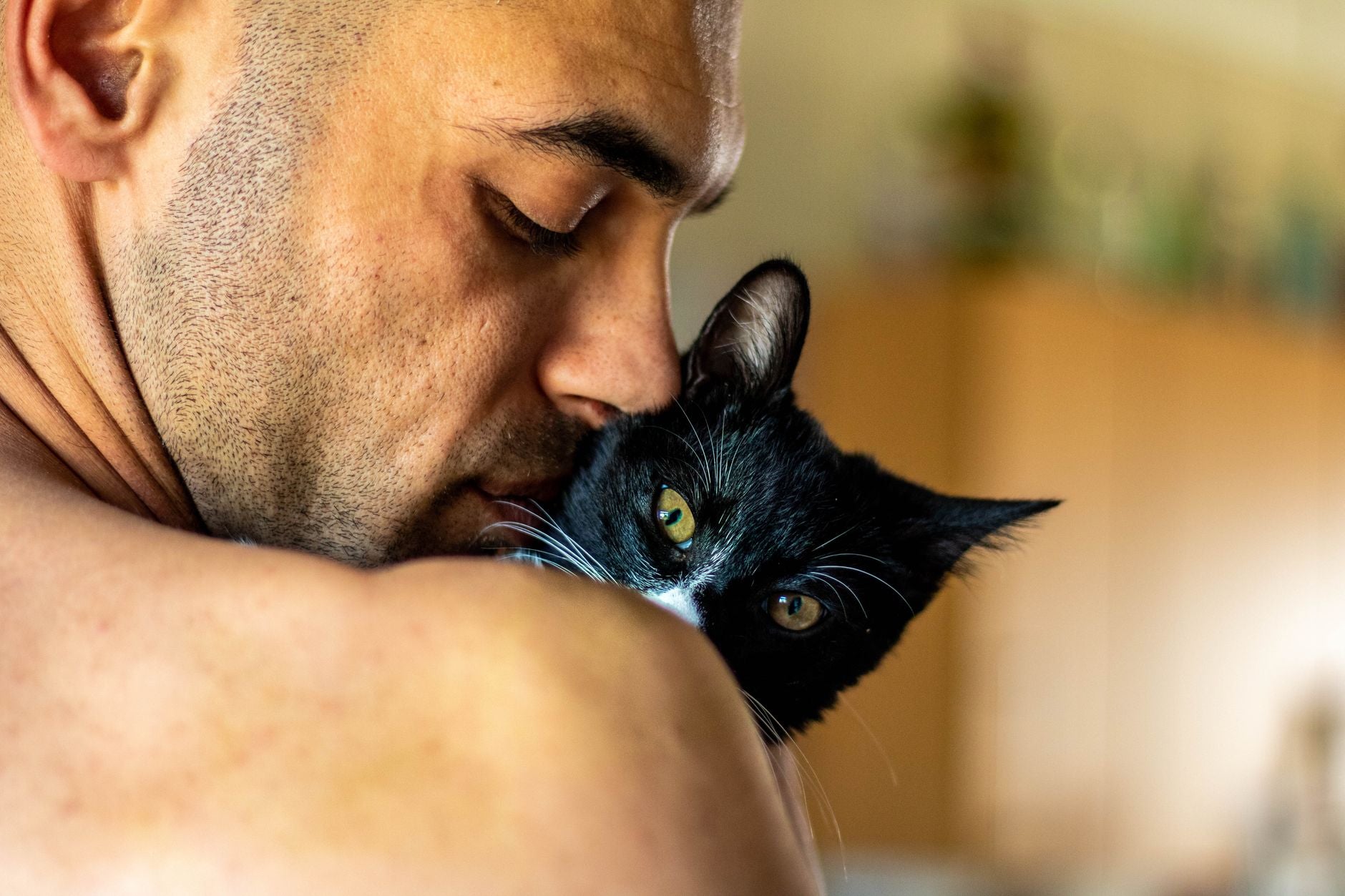
The household — not the animal — is what needs the protective work. The pet is the readout, not the patient. Trying to spiritually treat the animal directly without addressing the household field is a category error: you are reading the canary but never airing out the mine.
The first practical step is a household cleansing — the structured ritual removal of accumulated negative energy and intentional interference from the home environment. The full protocol for this is in our protection rituals step-by-step article and the evil eye removal guide. The pattern that gets a result is straightforward: clean the space, set the protective frame, watch the animal's behavior over the following week as the diagnostic indicator.
If the animal's behavior returns to baseline within 7–14 days, the household-level work was sufficient. If the signs persist, the source of the disruption is ongoing — someone is continuing to direct envy or intentional harm toward the household, and the protective work needs to be sustained, not run once. The animal will tell you which case you are in.
For the recurring case — where envy or interference is structural and the pet keeps picking it back up — the work moves from one-time cleansing to ongoing protocol. That is the case load where spiritual consulting becomes appropriate; see our evil eye from family piece for the most common version of this pattern.
Children and pets — the parallel vulnerability
The same logic that makes pets early-warning indicators makes children more vulnerable to evil eye. Both bypass the verbal cognitive filter. Both read the field directly. Both register the disruption before the adult humans in the household do. Our evil eye and children piece covers the human-vulnerability side of the same mechanism, with the protective work calibrated for kids rather than animals.
For households with both pets and small children, the diagnostic value is compounded. If both the pet's behavior and a child's sleep or mood shift in the same week without obvious medical cause, the household-field reading is the first place to look, after the medical workup clears.
Frequently Asked Questions
Can pets actually be affected by evil eye, or is the pet just sensing the human's stress?
Both are true and they are not mutually exclusive. The pet does pick up on human stress. It also reads the household field directly, including the disturbance that caused the human stress in the first place. Trying to separate "the pet is just stressed because I am" from "the pet is registering the source disturbance" is usually impossible — and unnecessary. The household work resolves both.
Which animals are most sensitive?
Cats are the most consistent indicator. Dogs are next. Birds are highly sensitive but often hide it until late. Reptiles and fish show changes but the signals are harder to read for owners without daily-pattern familiarity. The general rule: the more bonded the animal is to the household and the more time it spends in the disturbed space, the cleaner the readout.
Does the animal need to be physically present during a household cleansing?
It is best if the animal is in another room or outside during the work itself. The energetic activity during a cleansing can be intense and the animal will read it directly. Once the work is finished and the space has settled (30–60 minutes), bring the animal back and watch the behavior. A return to baseline is the success signal.
What if the animal's behavior worsens after a cleansing?
This sometimes happens for 24–48 hours as the field reorganizes. If it persists beyond 72 hours, the cleansing was incomplete or the source of the disturbance is ongoing and needs deeper work. The veterinary baseline still applies — if any new physical symptom appears, vet first.
Can I protect my pet preventatively?
Yes. The same protective practices that protect the household protect the animal automatically — the pet shares the field. Consistent low-key spiritual hygiene (regular space cleansing, basic protective frame, awareness of who you allow into the home in periods of vulnerability) does more for the pet than any animal-specific ritual would.
About this work
Hydas the Magus has worked over 10 years in spiritual consulting, occultism, and consciousness research — with 250+ counselling cases, 250+ obsession/possession cases, and over 10,000 entities neutralized in fieldwork. The patterns described in this article come from that case record, not from theory.
For a wider treatment of the diagnostic frame and the operational protocols across the full spectrum of spiritual affliction, see The Book of AWE: From Carbon to GOD Form.