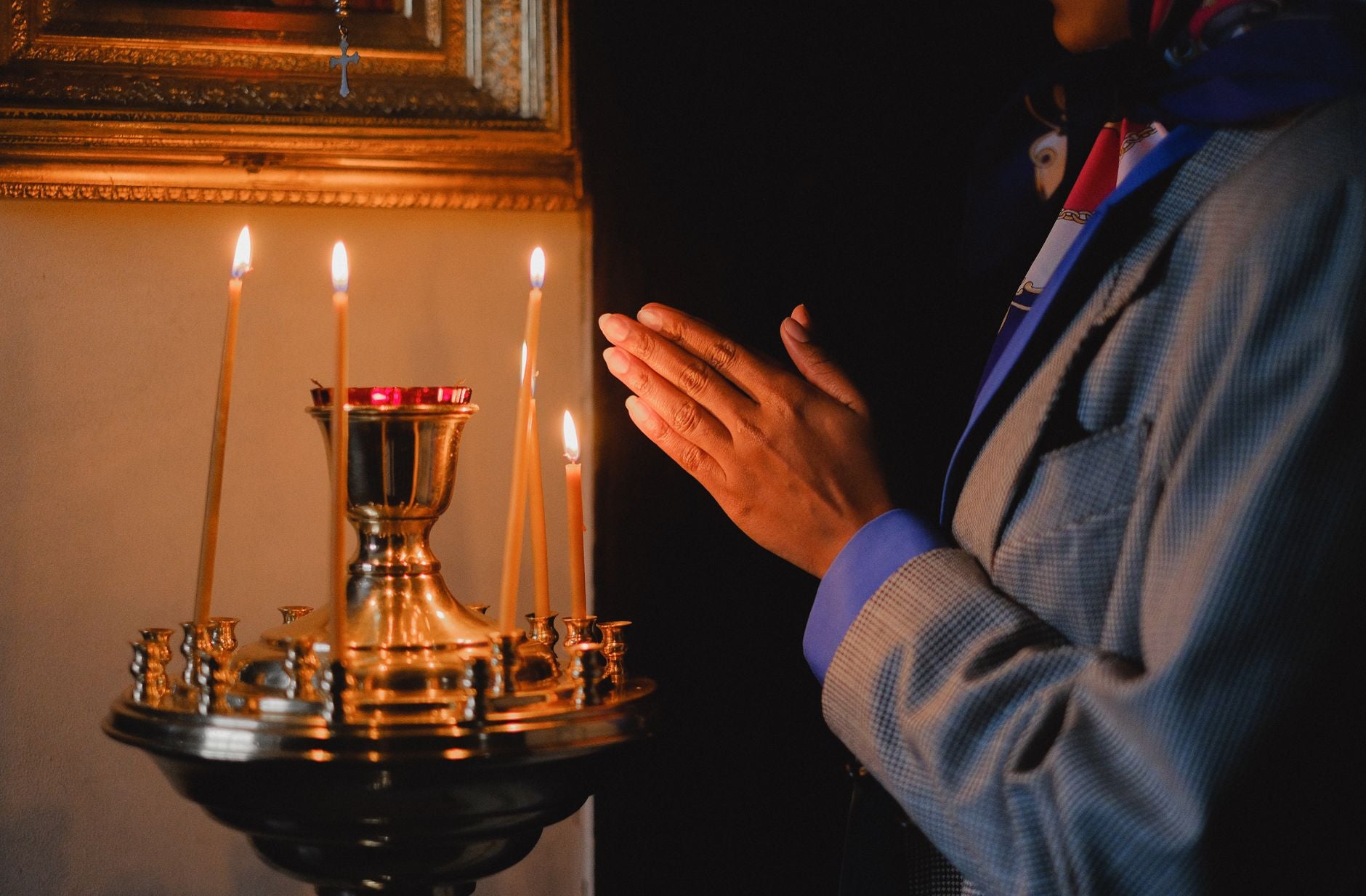
Prayer and ritual are different types of spiritual operation with different mechanical profiles. Prayer is a receptive, communicative act directed toward a higher intelligence — the practitioner opens, listens, and asks. Ritual is an active, structured protocol that uses correspondence, timing, and energy preparation to produce a defined outcome — the practitioner constructs, directs, and closes. Understanding the structural difference determines which one to use, when, and how to integrate both effectively.
The confusion between them is common and costly. When a practitioner uses prayer where ritual is called for, they are waiting to receive what they should be actively constructing. When they use ritual where prayer is called for, they are trying to command what they should be aligning with. Both errors produce a recognizable friction pattern. I have seen both enough times across consulting work to identify which mode is missing before the client finishes describing what is not working.
What Prayer Does, Structurally
Prayer is communication. The practitioner directs attention and intention toward a higher intelligence — variously described as God, a divine name, an archangelic function, or the source — and opens a channel for that intelligence to respond. The defining characteristic is receptivity: the practitioner is fundamentally in a receiving posture, whether asking for something, expressing devotion, or simply remaining present to what arises.
This does not make prayer passive. Sustained, disciplined prayer requires the same inner state preparation as ritual — a stabilized inner state is the prerequisite for communication at any depth. Scattered attention produces prayer that stays on the surface. But the direction of the operation points upward and outward, toward intelligence beyond the practitioner's own system, rather than through the practitioner as an active channel generating a structured outcome.
In the HSTF framework, prayer maps most directly to the Consciousness vector — it is a L0 practice at core, orienting the practitioner to what they are (consciousness, not body) and to what they serve. Prayer without this orientation tends to reduce to wishful thinking directed at a vending machine.
What Ritual Does, Structurally
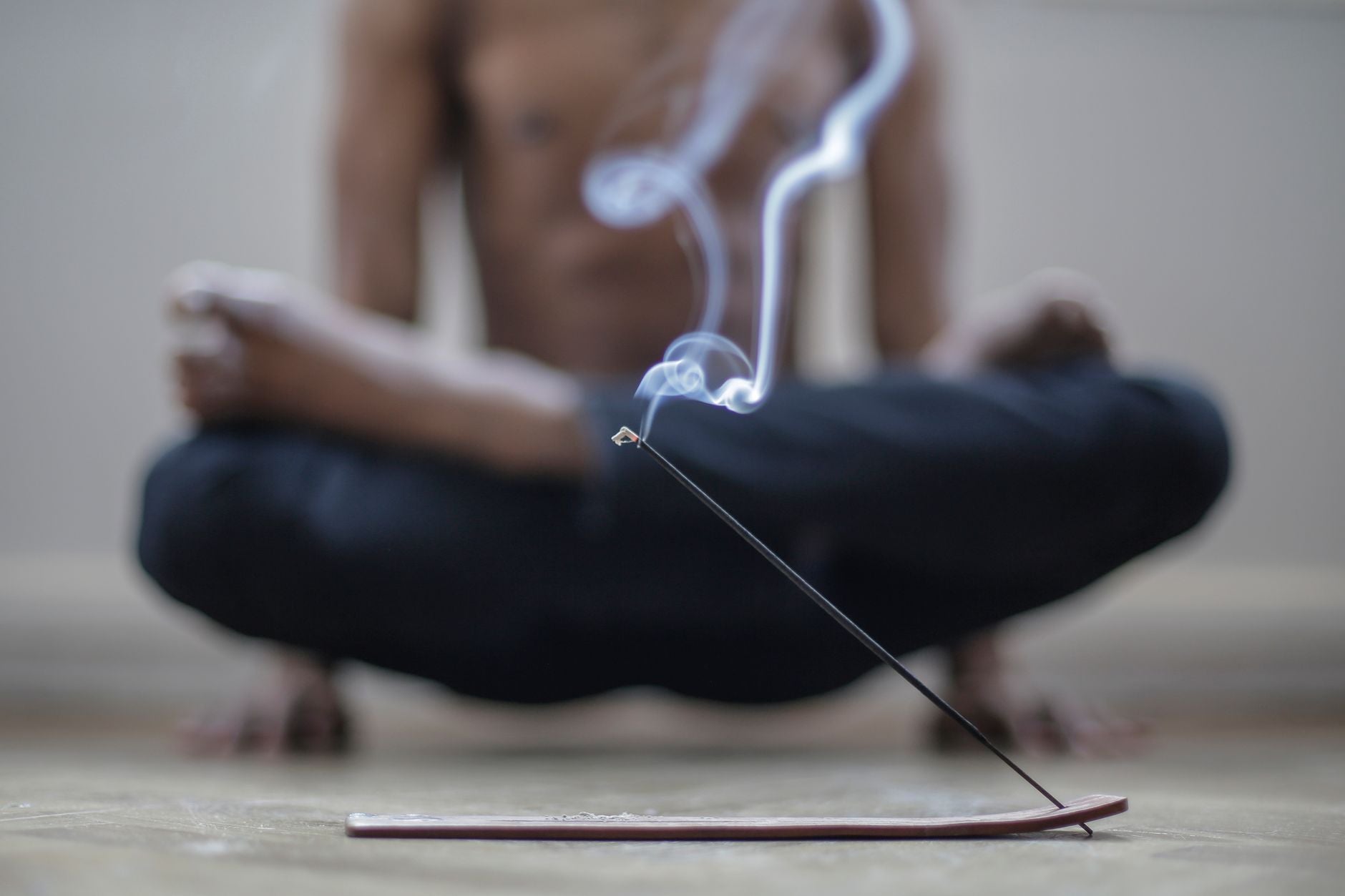
Ritual is a structured protocol that operates through correspondence, timing, energy preparation, and symbolic coding to produce a defined outcome. Where prayer opens a communication channel, ritual constructs a closed-loop energetic operation. The practitioner specifies an intention, prepares the operational field, runs the protocol, seals the work, and releases it. The defining characteristic is active direction: the practitioner is steering, not receiving.
This does not make ritual superior to prayer. The two operate on different axes. A spiritual offering combines both — it is an active ritual act (preparation, timing, placement, closing) that also carries a communicative, devotional component addressed to a higher intelligence. That integration is not accidental. It reflects the operational reality that the most effective rituals include a prayer component, and sustained prayer eventually generates ritual structure spontaneously.
In the HSTF framework, ritual maps to the Occultism vector — the method layer where correspondence systems, symbol binding, and protocol execution operate. Ritual without consciousness foundation (knowing why you are doing this, from what inner orientation) produces unstable outcomes. The model (esotericism) supplies the symbolic language. The method (occultism) executes it. Both depend on consciousness for coherence.
Where Prayer and Ritual Converge
Both require inner state preparation as a prerequisite. Both require clear intention. Both operate within the same laws — the Hermetic principles govern the mechanics of both, regardless of what names the practitioner uses. Both produce concrete effects that can be logged and evaluated. Neither is a guaranteed outcome; both operate within constraints the practitioner does not control.
The convergence point is intention. Prayer without a clear intention becomes free association directed at a higher source. Ritual without a clear intention becomes choreographed gesture. In both cases, the precision of the aim determines the precision of the result. This is mechanical, not motivational. Vague inputs produce vague outputs in spiritual operations just as they do in any closed-loop system.
When to Use Prayer vs. Ritual
The choice depends on what the situation actually requires, not on what the practitioner prefers. The working framework:
- Use prayer when: you need alignment, clarity of direction, or genuine guidance. When the next right action is unclear and you need a higher vantage point. When the situation is beyond what human-level protocol can resolve and must be surrendered upward. When you are building a sustained devotional relationship with a specific divine name or intelligence.
- Use ritual when: you have a defined outcome and the means to construct the corresponding operation. When active intervention is called for, not passive alignment. When you are working with correspondence systems — planetary timing, elemental mapping, symbol coding — to steer a specific energetic outcome. When something needs to be closed, bound, or cut rather than opened and received.
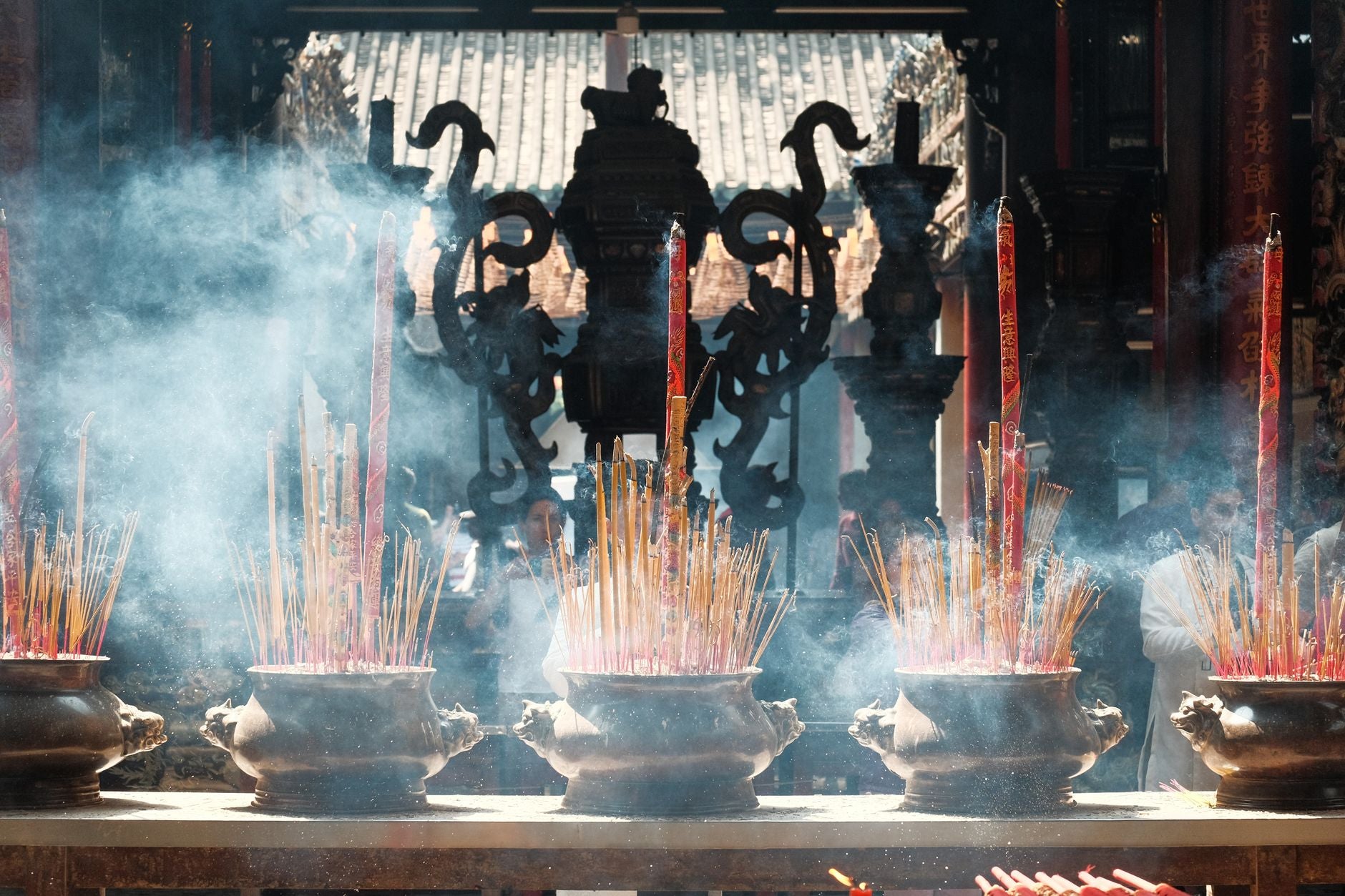
- Use both when: the operation is significant enough to warrant maximum alignment. A well-constructed ritual that opens with invocation (prayer component) and closes with an offering (prayer component) is operating on both axes simultaneously. This is the complete form and it tends to produce the most coherent outcomes.
The Integration Problem: Why Most Practitioners Use Both Wrong
The most common error is substituting prayer for ritual when the situation requires active operative work. The practitioner prays week after week for a situation to change while the spiritual cause remains unaddressed. Prayer is appropriate for alignment; it is not a substitute for the operative intervention the situation actually requires.
The second error is using ritual as a replacement for inner alignment — running correct protocols with correct timing and correct correspondence, yet producing thin or unstable results because the prayer component was missing. Ritual without prayer tends toward mechanical repetition: the shell of the operation is present but the animating connection to something beyond the practitioner's own system is absent.
The integrated practitioner holds both modes and reads which one the current situation is calling for. If one of the two is consistently missing from your practice and you are noticing a gap in your results, the diagnostic work involved in identifying which mode and why can be done through spiritual consulting — it is the kind of structural question the consulting framework is designed to address.
Frequently Asked Questions
Is prayer the same as ritual?
No. Prayer is a receptive, communicative act directed toward a higher intelligence — the practitioner opens and asks. Ritual is an active, structured protocol that uses correspondence, timing, and energy preparation to produce a specific outcome — the practitioner constructs and directs. They operate on different axes, require different inner orientations, and suit different types of situations. The most complete spiritual practice integrates both rather than treating them as interchangeable or opposed.
Can you combine prayer and ritual?
Yes — and the most effective ritual operations do exactly this. An invocation that opens a ritual is a prayer component: the practitioner addresses a higher intelligence, states the intention, and invites alignment before beginning the active work. A closing offering or act of thanksgiving is also a prayer component. Ritual that incorporates both active operational structure and communicative prayer elements tends to produce more stable and coherent outcomes than pure technique alone.
Is ritual more powerful than prayer?
The comparison is structurally incorrect — they are not competing alternatives but different tools for different situations. Ritual is appropriate for active, protocol-driven interventions. Prayer is appropriate for alignment, orientation, and receptive communication with a higher intelligence. Using the wrong tool for the situation produces friction regardless of how powerful either tool is considered to be in the abstract.
What makes a ritual different from routine prayer?
Ritual has a defined structure: opening, active work, closing. It operates through correspondence — specific timing, symbols, elemental alignments. It specifies a concrete outcome and constructs the energetic conditions for it. Routine prayer has no required structural form — it can be spontaneous, devotional, or petitionary without formal structure. The actual difference is whether the operation is receptive and communicative (prayer) or directive and constructive (ritual).
How do rituals work spiritually?
Ritual works through the principle of correspondence — specific symbols, timings, and energetic preparations create a structured field aligned with the intended outcome. The practitioner's clear intention, combined with the correct symbolic and energetic components, produces a closed-loop operation. The Hermetic principle of Cause and Effect governs this: every operative cause produces a corresponding effect when engaged correctly. Ritual is applied correspondence, executed as a protocol with measurable inputs and trackable outputs.
About the Author: Hydas is a spiritual practitioner with over ten years of fieldwork in consciousness, esotericism, and occultism. Born into spirituality and trained from childhood, he has worked with 250+ counselling clients and 250+ obsession and possession cases, and has documented over 10,000 entities across his case record. He is the author of the HSTF (Hydas Synthetic Triad Framework) doctrine, which structures Hydas's operational approach to spiritual practice. He writes the operational version of practices most schools deliver in soft form.